
Electronic shelf labels (ESLs) help retailers modernize pricing and other in-store operations by replacing paper tags with digital shelf labels (DSLs), reducing manual updates and the risk of errors. As ESL adoption grows, more retailers are using them to improve efficiency and manage store operations more effectively. According to Grand View Research, the global electronic shelf label market is estimated to grow to USD 2.4 billion in 2026—an increase of approximately $300 million from 2025—and is projected to grow at a CAGR of 17.4% through 2033. From labor savings to inventory management, ESLs offer retailers advantages across store operations that help explain their continued adoption.
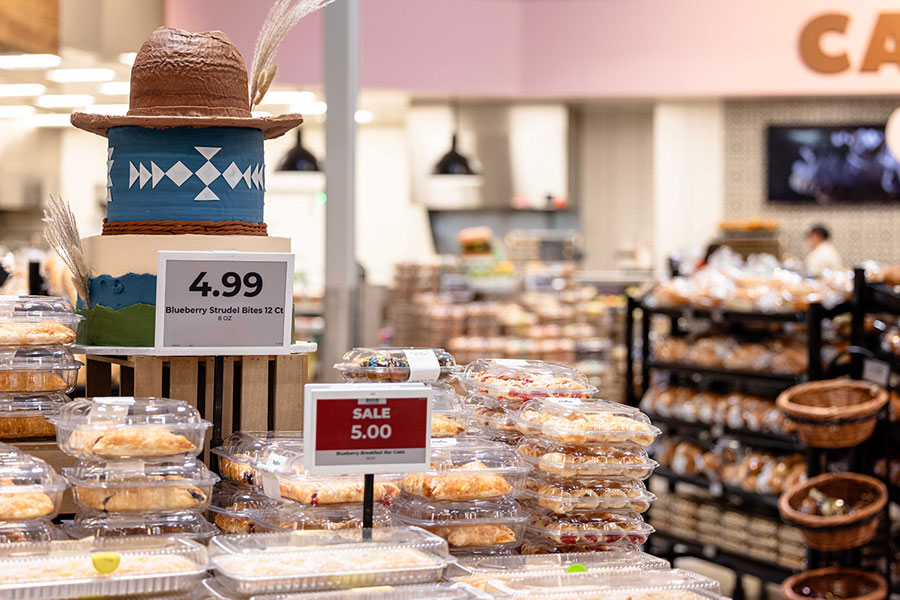
Moving from traditional paper tags to electronic shelf labels changes how retailers handle pricing and product information across the store. ESLs use e-paper or LCD screens that connect wirelessly to a centralized system, where updates are made and sent to the shelf in real time. This reduces the time spent on price changes and keeps information on the shelf consistent.
Maintaining paper tags takes time. Employees update them by hand while also restocking shelves, answering customer questions, and handling other responsibilities throughout the store. There’s also more opportunity for mistakes. The shelf price may not match what a customer is charged at checkout, which leads to complaints and damages customer trust.
ESLs have an impact across several areas of store operations. They reduce manual work and costs while giving retailers more flexibility with pricing. They also contribute to sustainability efforts, customer trust, and better access to store data.
Staff no longer have to change every price tag by hand. Electronic shelf labels let retailers manage price changes from one system and send the new pricing directly to the shelf. The same price then appears at the shelf and checkout.
Printing paper and plastic tags is an ongoing expense, especially when prices change frequently. There’s also the staff time involved in replacing them throughout the store. Over time, the savings on supplies and labor contribute to ROI, which typically comes within one to three years.
Dynamic pricing gives retailers the flexibility to adjust prices in real time. ESLs automate price changes across the store, whether retailers are responding to competitor pricing, online prices, or other changes in the market.
Over their lifetime, ESLs replace millions of paper tags that would otherwise be printed and discarded. E-paper displays use very little energy as well. Together, the reduction in paper waste and energy use lowers the environmental impact of managing pricing throughout the store.
Keeping prices consistent online and in the store helps avoid confusion for shoppers and builds trust. Digital displays also give customers more than the price, with product information available right at the shelf.
Electronic shelf labels also have features for stocking and order fulfillment. LED indicators direct employees to the right products when filling online orders. This reduces collection time and helps prevent picking errors.
Data-driven insights give retailers a better view of how their stores perform. When connected with store management systems, ESLs provide real-time information that helps teams make decisions about pricing, promotions, inventory, and store performance.
Electronic shelf labels have uses beyond price changes. The same system can keep pricing aligned between a retailer’s stores and online channels, avoiding mismatches between the two. IoT devices, sensors, and mobile apps add another layer of information that retailers can use in day-to-day operations and for personalized promotions.
Automation reduces repetitive tasks for employees, giving them more time to assist customers, while digital workflows make training new hires faster and easier. ESLs also scale across multiple locations, helping retailers expand the capabilities of their physical stores and compete more effectively with e-commerce as technology continues to change the retail experience.
The return on ESLs comes from several areas of the business. Retailers spend less time on manual price changes, avoid more pricing errors, reduce waste, and gain access to additional store data. Those benefits continue as stores add new technology and adjust how they manage pricing, inventory, and the customer experience.
Before making the investment, retailers need to look at how the technology fits with what they already have in place. Existing systems, day-to-day store operations, and future technology plans all factor into that decision. Connect with the DCR team to discuss where electronic shelf labels fit within your retail environment and what implementation would involve.