
Labor costs, inventory discrepancies, pricing errors, checkout delays, and limited insight into profitability put pressure on margins and make stores harder to manage. Connected retail technology helps automate routine work, maintain accurate information, and gives retailers greater control over the information they rely on.
Store operations are harder to manage when the technology behind them operates independently. When retail technology isn’t connected, inventory counts can become inaccurate, pricing updates may not reach every system, and sales and reporting data can tell different stories. Manual updates and duplicate data entry add unnecessary labor costs and increase the potential for errors. And if information conflicts, teams will spend even more time identifying and correcting discrepancies.
A connected environment synchronizes information across inventory, pricing, transactions, payments, and reporting with your retail POS, creating a consistent source of data throughout the store. With accurate information shared between these systems, retailers can reduce stockouts and excess inventory, prevent pricing discrepancies, manage promotions more efficiently, reduce checkout delays, and better understand what is affecting sales and profitability.
Inventory accuracy depends on capturing product movement at every stage, not just what leaves the store at checkout. Connected retail technology can automatically capture receiving, transfers, sales, returns, and order fulfillment as they occur, so on-hand counts reflect the latest activity without relying on separate manual updates. That real-time information also makes cycle counts and audits easier to reconcile while giving purchasing teams better data to forecast demand.
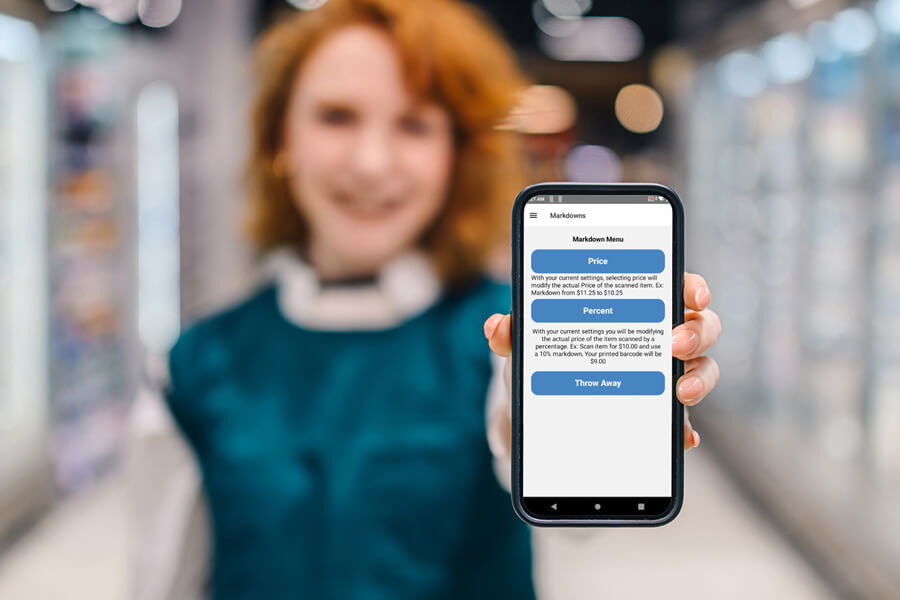
Pricing is one of the most important functions retailers manage because it directly affects customer trust, sales, and profitability. Between regular price changes, promotions, and markdowns, keeping pricing current takes more time when managed manually. Retail technology that connects pricing management across systems gives stores a centralized way to automatically implement updates, making it easier to manage changes and maintain greater control over the process.
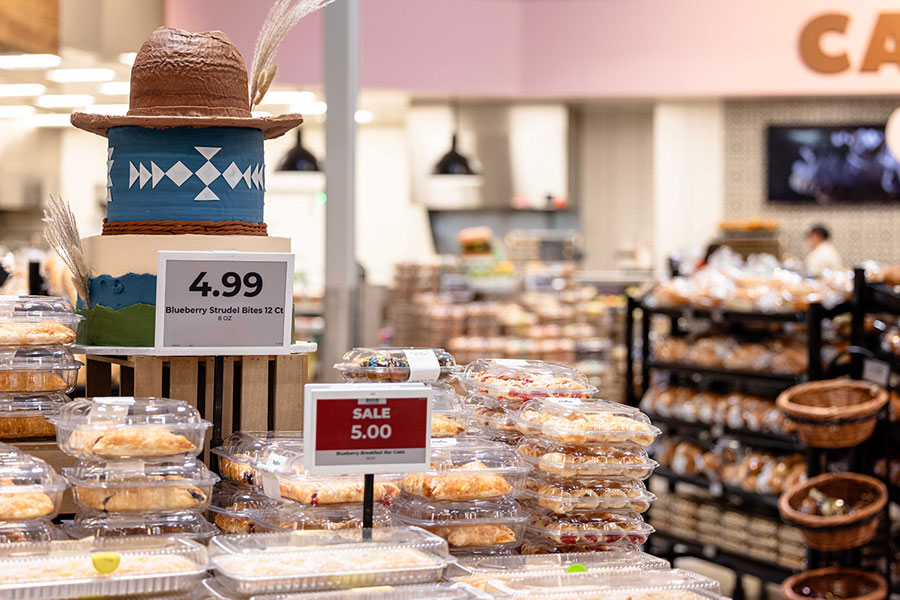
Pricing discrepancies can lead to lost margin, reduced profitability, extra work for associates, and customer frustration. Keeping pricing synchronized helps prevent errors before they reach the customer, while reducing manual updates and unnecessary disputes.
Promotions and markdowns become more time-consuming when each price change has to be made individually. Scheduling changes in advance and applying them automatically helps retailers manage time-sensitive pricing while ensuring promotions start and end when planned.
Manual processes don’t just take more time—they also increase labor costs and create opportunities for mistakes to happen. In a connected retail environment, routine tasks such as inventory updates, price changes, and receiving can be automated, helping retailers address common operational challenges while reducing duplicate data entry and the additional time required to complete that work.
Customers expect accurate, consistent, and convenient shopping experiences whether they’re in the store or shopping online. Integrating store operations and customer-facing retail technology helps ensure the same information is available across in-store and digital channels, making it easier for customers to shop however they prefer while giving associates the information they need to provide better service.
Checkout can take longer when associates have to step in to resolve discrepancies with pricing, promotions, loyalty, or payments during a transaction. When everything is connected to your retail POS, transactions can be completed automatically without requiring manual intervention, reducing the number of steps required to complete a sale.
Customers don’t always complete a purchase in the same place they start it. Retail technology that connects in-store, online, and mobile shopping gives customers more flexibility to shop between channels while helping retailers provide a more consistent experience from purchase through fulfillment.
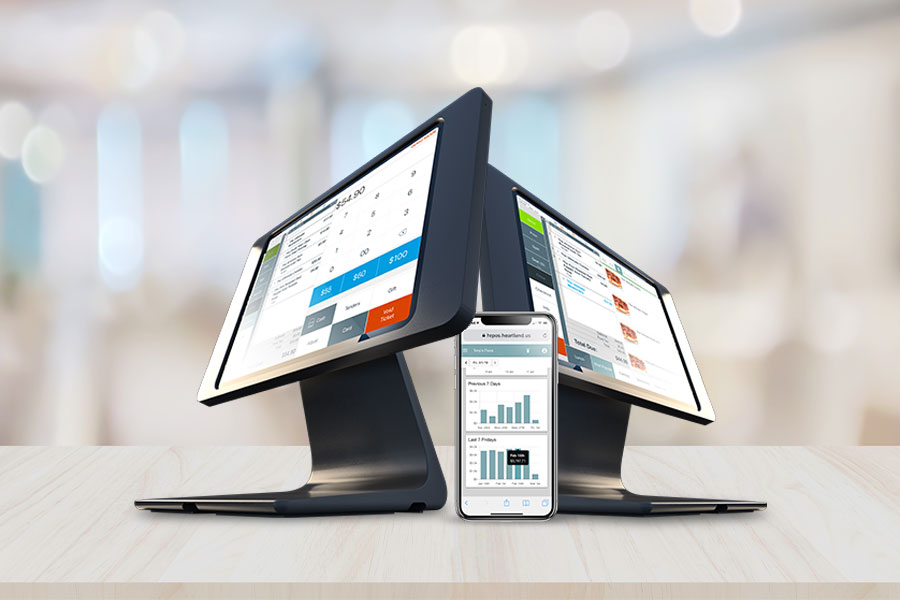
Looking at data separately doesn’t always explain why profitability is increasing or declining. When inventory, pricing, labor, sales, and financial data are connected to reporting from your retail POS, retailers can see how those areas work together and identify where costs, lost sales, or margin changes are affecting financial performance.
That information can also show which stores, departments, categories, and products contribute the most to revenue and margins. Retailers can compare results over time to determine whether pricing adjustments, promotions, operational changes, or technology investments are producing the expected financial results—and identify problems before they have a larger impact on profitability.
There are a lot of moving parts behind a retail operation, and adding new technology without considering how it fits with what you already use can create more complexity instead of less. The right retail technology should integrate with your existing systems, have the flexibility to support new locations and changing business needs, and come with the implementation, training, and ongoing support you need. Working with a partner that understands how these systems fit together can make it easier to connect your technology in a way that supports both current and future needs.