

The problem gets worse when data is delayed by batch processing, manual reports, spreadsheets, emails, or communication with individual stores. As more locations are added, it becomes harder to keep data current and consistent. Without connected systems, teams lack the real-time visibility needed to quickly identify changes and address issues.
Real-time visibility issues affect multiple areas of retail operations, not just one part of the business. Retailers need a way to compare locations, identify exceptions, and spot changes at the store level.
Inventory visibility becomes difficult when stock information changes at multiple stores but those changes are not updated or shared between locations in real time. Store transfers, receiving errors, and inventory adjustments can leave retailers working with different inventory counts depending on where the information comes from. This makes it harder to determine:
Without current, consistent sales and store visibility from each location, overall results may not show what is driving performance at individual stores or how one location compares with another. Retailers may have difficulty:
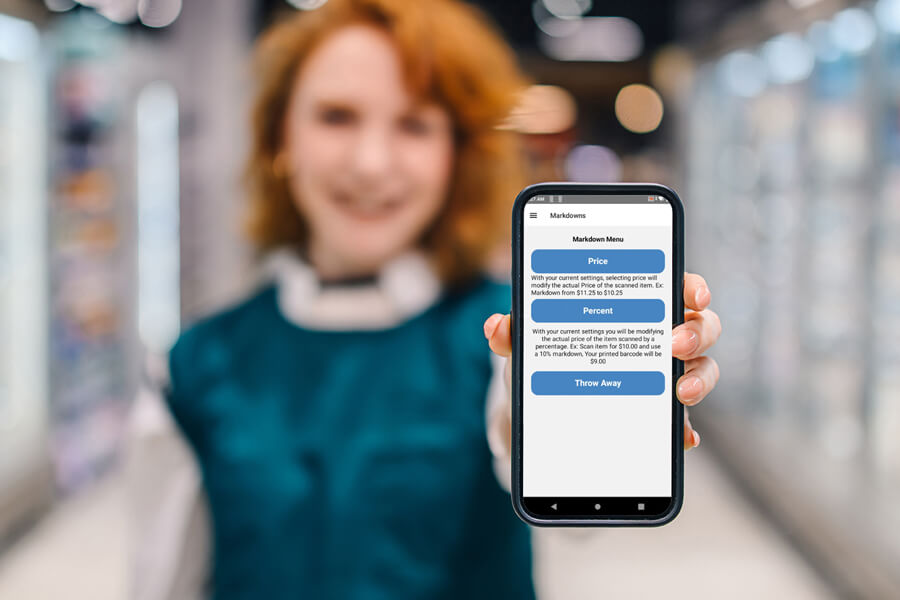
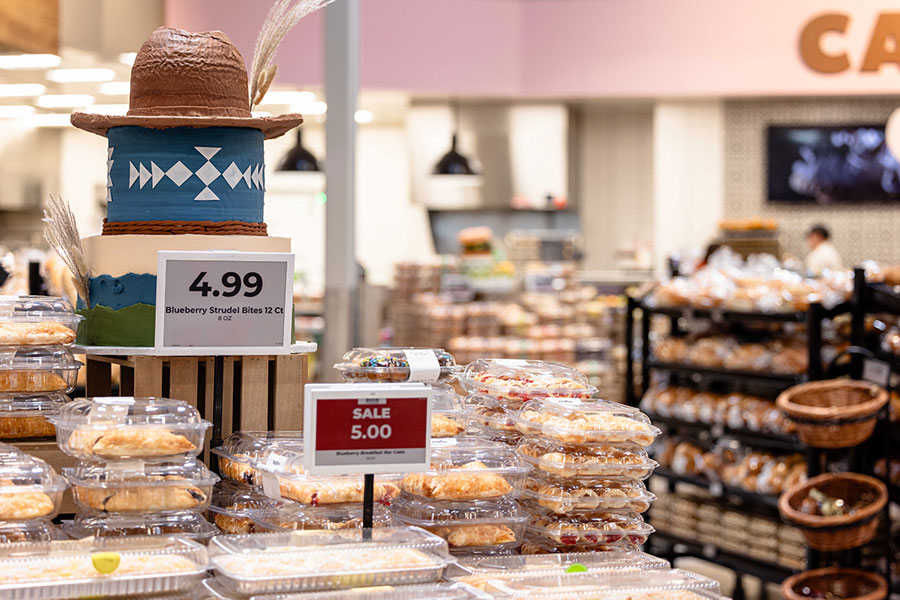
Pricing and promotions may vary by location, making it difficult to track whether the right changes are active at the right stores. Targeted loyalty offers also need to be available and tracked when customers shop at participating locations. If information is disconnected across stores, it makes it harder to determine:
Managers overseeing multiple stores need visibility into whether each location is staffed for its level of sales and activity and how that affects labor costs. Without a centralized view, retailers have difficulty evaluating:
High transaction volumes can make unusual activity difficult to spot, especially when management is responsible for multiple stores. Retailers need to quickly identify:
Customers may shop at different stores, but their purchase history, loyalty points, and rewards need to follow the same customer account. When customer information is separated by store, retailers lose visibility into:
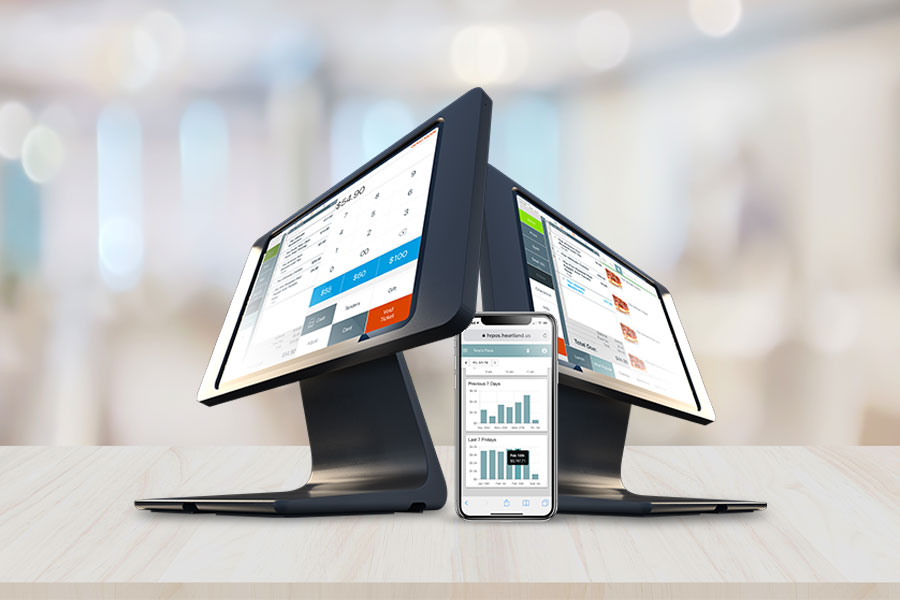
With a multi-store retail POS system, managers don’t have to piece together what’s happening from separate store reports, spreadsheets, or systems. Data synchronization keeps inventory, sales, pricing, employee, transaction, and customer data current for real-time visibility. And with centralized dashboards and reporting, retailers can access individual-store and enterprise-wide analytics without manually compiling them.
A POS can also be used to compare store performance with standardized reporting, manage pricing and promotions, control access through role-based permissions, and make updates across multiple stores. With integrations to other retail technology, retailers can see more of what’s happening without switching between separate systems, giving them a complete view of retail operations across the business.
When evaluating a multi-store POS, retailers need to determine whether the system has the right features for their retail operations and how those capabilities actually work across locations. How quickly does data synchronize? Can reporting go from company-wide results down to an individual store? Can pricing and promotions be managed differently where needed? Can inventory, employee access, and customer loyalty activity be managed across locations without creating separate processes for every store?
It’s important to also consider how the POS fits with the rest of the technology and how easily it can grow with the business. The system should support integrations with existing systems and be able to scale as new stores, users, registers, or capabilities such as self-service are added.
The more locations a retailer manages, the more important it is to have one way to monitor what’s happening across the business and make decisions based on current information. That starts with choosing a retail POS system that matches how the business manages its retail operations.
We help retailers identify and implement POS technology based on their operational requirements, existing technology infrastructure, and number of locations. Whether you’re replacing an existing system or planning for additional stores, we can recommend technology based on your current operations and plans for growth.