
Grocery checkout directly impacts retention. When scanning slows, loyalty systems misfire, or equipment fails during busy periods, customers notice. Reliable hardware, integrated payments, and a POS built to align with store processes reduce interruptions and support seamless checkout experiences.
A seamless checkout experience comes down to how your grocery POS system performs during peak volume and everyday demand. When items require a second scan, coupons require overrides, or loyalty rewards take extra time to apply, lanes start to back up.
Grocery checkout usually isn’t the reason customers leave a store, but inconsistent performance is. When lines build during busy periods or payments take longer than expected to process, shoppers notice. If the experience changes each time they shop, they lose confidence and repeat visits become less certain.
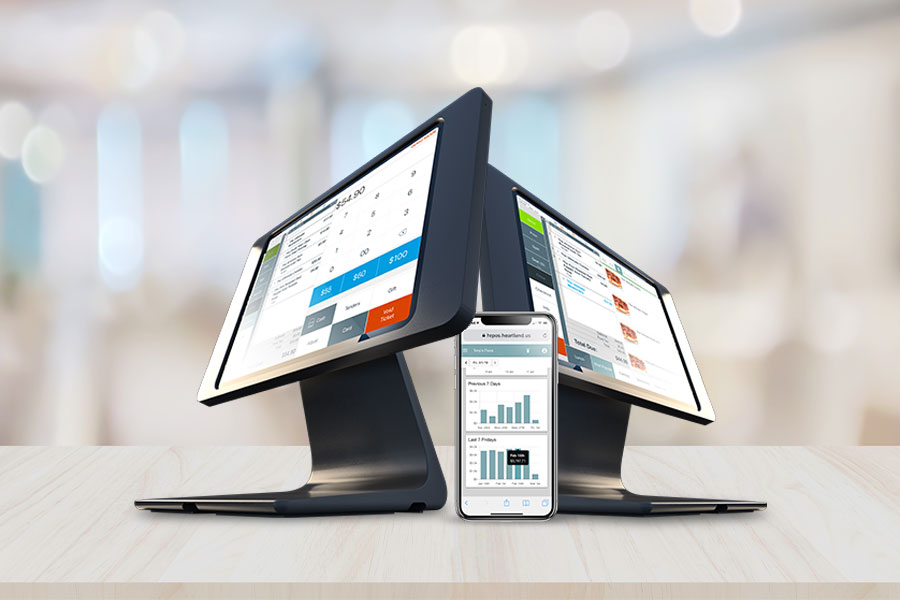
A modern grocery POS keeps scanning, pricing, promotions, and payments working together within a single system. When everything connects properly, checkout runs the same way from open to close, and customers know what to expect.
Lane speed comes down to how equipment performs at the register. When devices require repeat attempts, take longer to respond, or struggle during busy periods, lines build, and transactions take longer to complete.
Grocers who consider how their equipment performs during busy periods and long shifts experience fewer interruptions, and small issues are less likely to spread across the front-end. Reliable hardware plays a direct role in delivering a seamless checkout experience customers can count on.
Every rescan slows the lane. When items have to be repositioned or manually entered, or barcode recognition takes longer than expected, small delays accumulate quickly when the store gets busy.
Fewer interruptions protect flow and shorten overall checkout time.
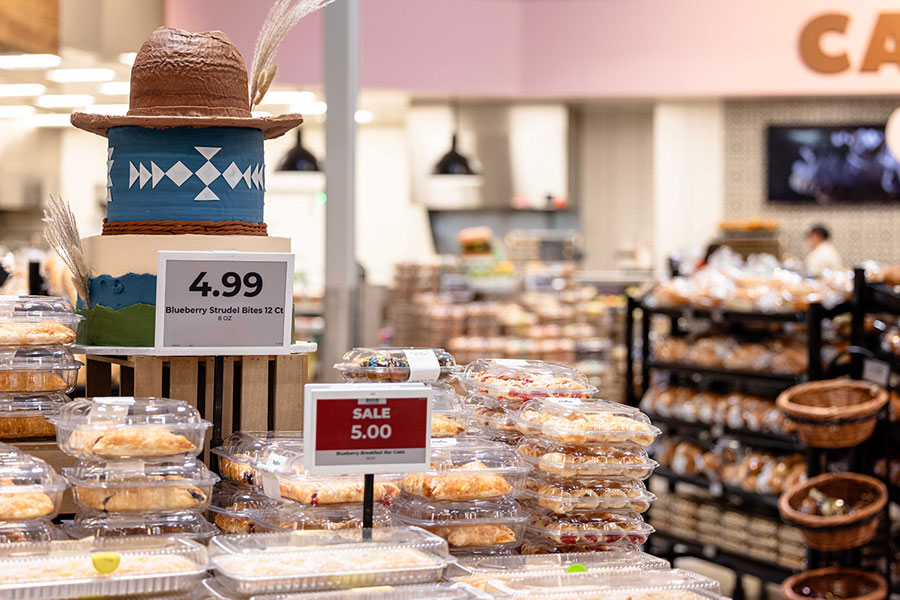
Digital coupons, promotions, and loyalty programs should enhance the customer experience, not complicate it. When loyalty programs and the POS operate separately, inconsistencies surface at checkout and create confusion.
Connected systems create predictable interactions that support a seamless checkout experience and build trust with shoppers.
Lane speed suffers when equipment requires frequent adjustments or goes down unexpectedly. Hardware that fails under volume pressure introduces instability and forces reactive maintenance.
Durability protects uptime, and uptime protects speed.
Grocery checkout speed is tied to whether your POS fits how your store actually runs. When the system doesn’t match your process, staff end up adjusting on the fly. Over time, those workarounds slow things down.
A grocery POS should keep scanning, pricing, payments, and promotions in the same place so information isn’t passed between separate tools. When product details and pricing are handled inside one system, transactions proceed without extra steps.
Checkout varies by store format, volume, and staffing model. A customizable POS allows grocers to define processes that reflect how their stores operate and support a seamless checkout experience across every lane.
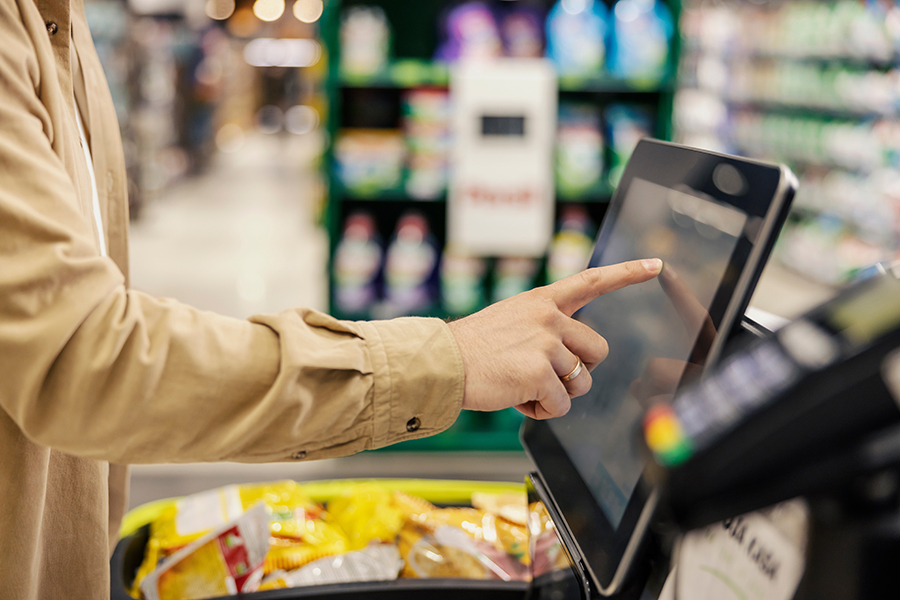
Payment processing should feel predictable and intuitive. Visual prompts, audio cues, and responsive interfaces guide shoppers without adding complexity.
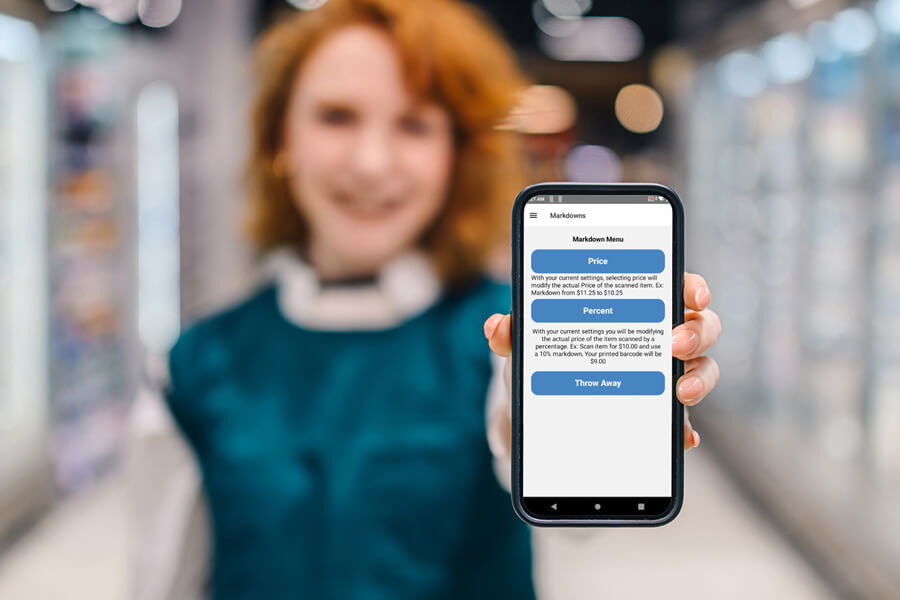
Grocery checkout improves when your POS brings the tools your store relies on together in one place.
Grocers who focus on how checkout performs and how their systems work together tend to see more repeat business. When checkout works the same way every time, customers notice and come back.
Connected POS systems also affect more than the register. They support mobile service, curbside pickup, inventory tracking, and promotions without requiring separate tools. When those pieces are aligned across the store, operations are easier to manage day to day.
If you’re reviewing how to improve checkout speed and retention, start with how your POS is structured. The right setup supports a seamless checkout experience and keeps performance consistent.
With more than 64 years serving the grocery industry, DCR helps independent operators design and deploy POS systems that align with how their stores function. We focus on practical solutions that improve performance today and support stability as your business evolves.