Grocery Store Technology Behind Better Shopping Experiences

- Grocery eCommerce, Grocery Point of Sale, Grocery Technology, Online Grocery Sales
How Technology in the Grocery Industry Drives Competitive Advantage
Grocery store technology plays a central role in how modern grocers meet rising customer expectations while staying competitive with national chains. Shoppers move quickly and expect stores to keep up. When finding items, checking out, or picking up orders takes longer than it should, they notice right away.
Independent grocers are constantly trying to run a tighter operation without losing the personal service customers come back for. Grocery store technology should make work behind the scenes easier, not change how shoppers are treated in the store. When systems are designed to work together, stores can respond faster, serve customers more effectively, and adapt as shopping behaviors continue to evolve.
Below are practical ways grocers use coordinated hardware, POS systems, and store management software to create a more efficient, shopper-focused operation.
Grocery Store Technology Shaping Shopping Experiences
The right grocery store technology helps grocers manage online orders and fulfillment without inventory surprises or service delays.
eCommerce, Curbside Pickup, and Delivery
Online ordering and curbside fulfillment are now core grocery services. Shoppers expect accurate inventory, reliable pickup windows, and fast fulfillment. In a recent article from Progressive Grocer, U.S. online grocery sales reached $12.3 billion in November, up 29% year over year, reinforcing how quickly digital ordering has become part of everyday grocery shopping.
The most common issues show up as:
- Items showing available but out of stock
- Delays in same-day order fulfillment
- Long wait times caused by poor scheduling or workflow gaps
When eCommerce systems don’t connect directly to inventory and POS data, stores are left reacting instead of fulfilling efficiently.
What Technology in Grocery Stores Supports Fulfillment
Connected store management and POS systems help grocers manage online orders alongside real-time inventory and in-store workflows. Mobile devices and barcode-scanning tools enable accurate picking and order handling across different fulfillment methods and locations.
Core technologies used include:
- Store management software and POS systems, including LOC Store Management Suite and POS
- Mobile and tablet computing solutions used by store associates
- Barcode scanners and printers that support picking, labeling, and order accuracy
Together, these tools allow grocers to:
- Align online orders with current inventory and POS data
- Support accurate picking and order management using mobile devices
- Enable fulfillment from the sales floor, back room, warehouse, or third-party partners
- Adapt to existing systems, store size, staffing models, and customer demand
When fulfillment tools work together, grocers can scale eCommerce operations, reduce errors, and meet customer expectations without losing visibility or control.
Grocery Store Technology: Self-Checkout That Works at Scale
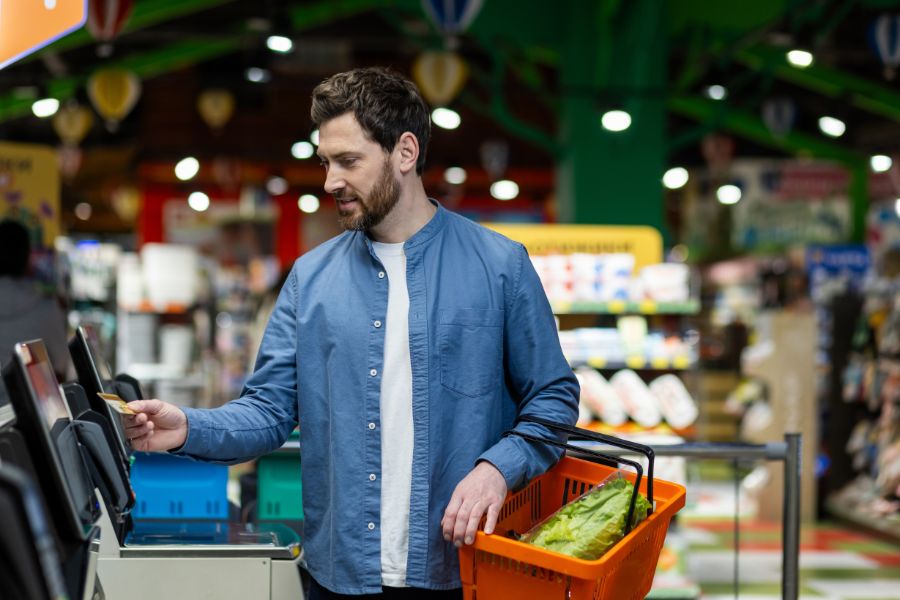
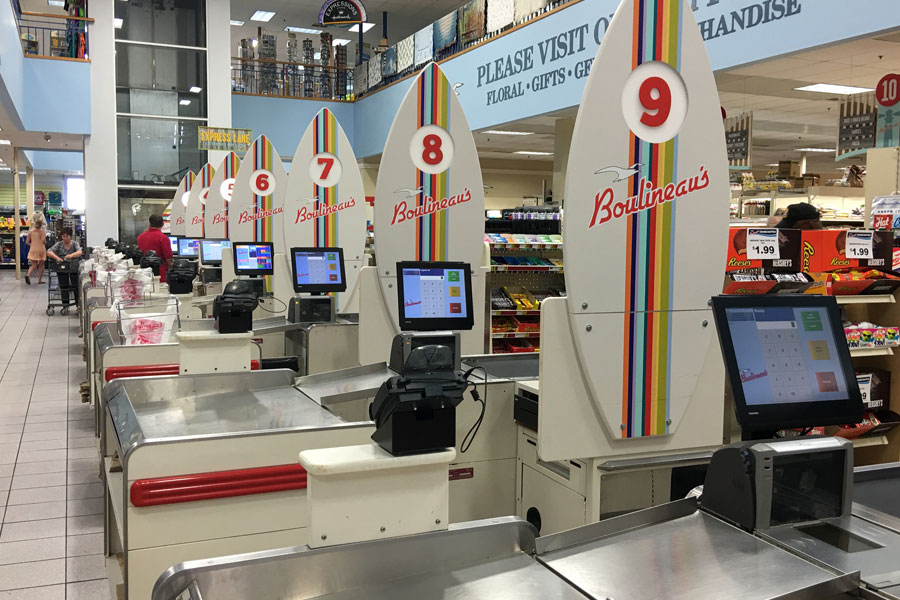
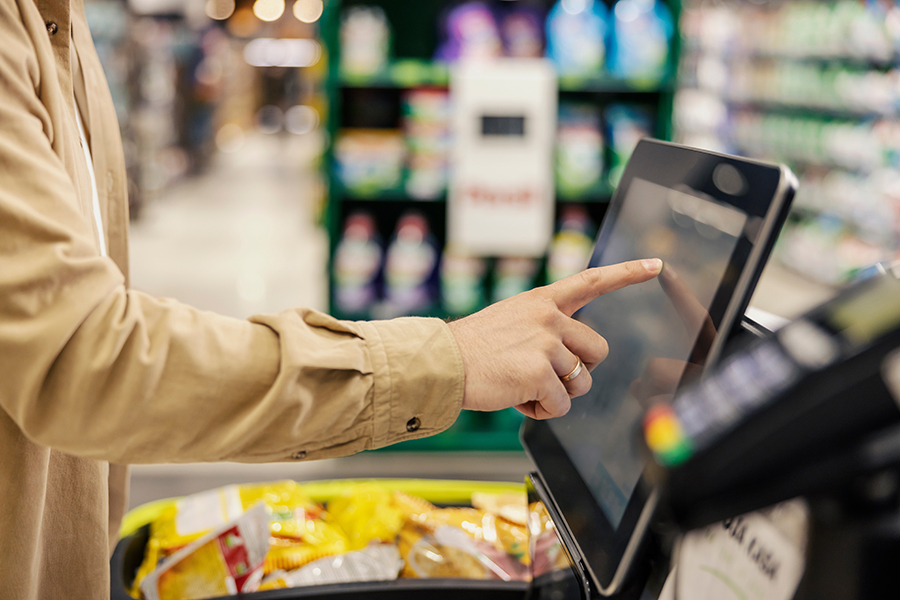
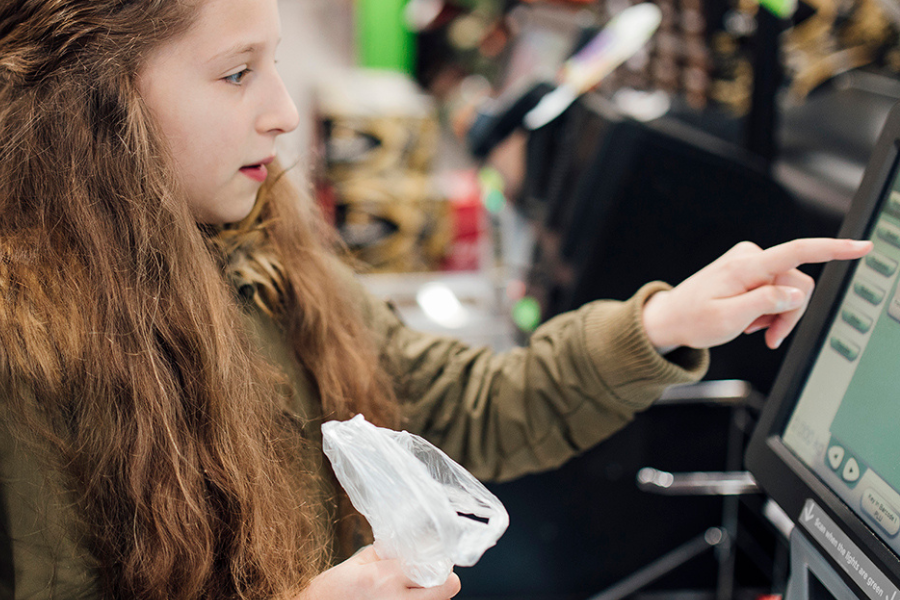
Self-checkouts are now a standard part of the grocery shopping experience, valued for their speed and convenience. When implemented, they help customers move through checkout faster while giving stores flexibility in how they deploy staff across the floor.
- Allow faster checkout for customers with fewer items
- Reduce pressure on staffed checkout lanes during peak periods
- Enable associates to focus on higher-impact tasks like customer assistance and curbside fulfillment
- Support mobile service on the sales floor when issues arise
When self-checkout systems are slow or inaccurate, customers quickly lose trust, making dependable performance essential.
What Enables Fast, Reliable Self-Checkout
Reliable self-checkout depends on scanning accuracy, system responsiveness, and intuitive on-screen instructions. High-performance self-service kiosks and grocery scanners, including Zebra’s MP7000, play a critical role in keeping customers moving without confusion or interruptions.
- Self-service kiosks powered by grocery-grade scanners and integrated scales
- Multi-plane 1D/2D scanning that captures barcodes quickly from any angle
- Intuitive touchscreens and POS software that guide customers step by step
- Clear prompts that reduce errors with scanning, bagging, loyalty cards, and coupons
- Reliable item validation that minimizes false alerts and unnecessary associate intervention
When these systems are designed to work together, self-checkout stays faster, steadier, and easier to manage at scale.
Grocery Store Technology Improving In-Lane Checkout Performance
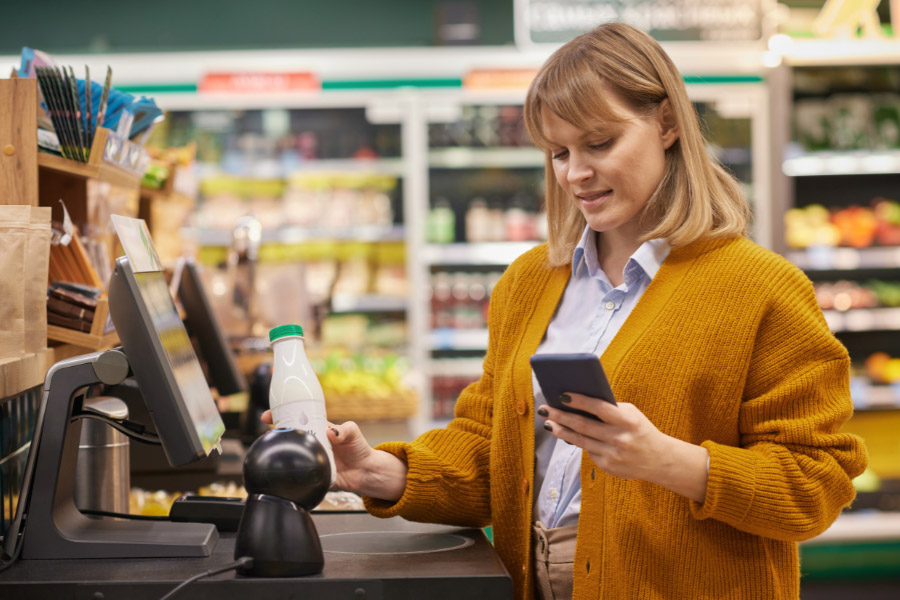
Checkout speed depends on how easily items, coupons, and payment inputs move through the lane without slowing cashiers or customers. When scanning works the way it should, checkout doesn’t back up as quickly, even when the store is busy.
Modern in-lane checkout technology supports both cashiers and customers by reducing manual handling and unnecessary interruptions.
- Captures printed and digital barcodes quickly, including mobile coupons
- Allows customers to scan loyalty cards, coupons, and impulse items without slowing the cashier
- Supports faster transaction flow by minimizing rescans and manual keying
- Extends scanning automation to additional services, such as bill payments and receipt capture
Checkout systems must be durable and efficient to perform consistently in high-volume grocery environments. Low power consumption, fewer mechanical components, and easier maintenance all contribute to higher uptime and lower total cost over time, helping stores keep lanes open and moving.
Mobile-Enabled Technology Customer Service
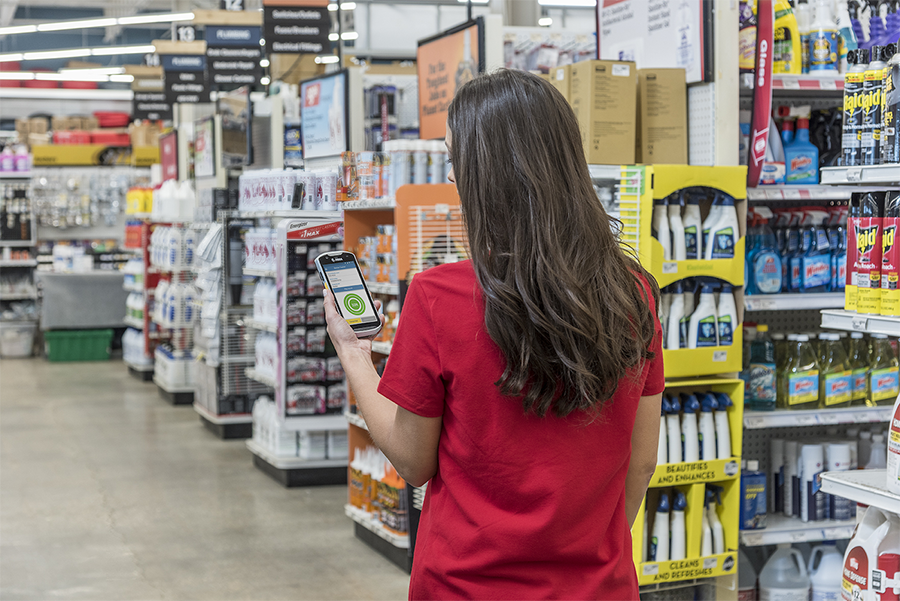
Shoppers expect fast answers and accurate information when they interact with grocery stores, especially on the sales floor. Mobile tools allow associates to respond quickly without leaving customers waiting.
- Help associates check inventory and locate products in real time
- Support customer questions and price checks without leaving the aisle
- Assist with online orders, curbside pickup, and fulfillment tasks
- Resolve issues quickly while keeping checkout lanes and aisles moving
By equipping associates with mobile technology, stores can improve responsiveness, maintain service quality, and use labor more efficiently.
What Enables Mobile Customer Service
Mobile-enabled service works when associates can access inventory, pricing, and order information wherever they are in the store. Access to information on the floor helps staff respond to customer questions more quickly.
- Mobile access to inventory, pricing, and product information
- Tools that support order management and fulfillment tasks on the sales floor
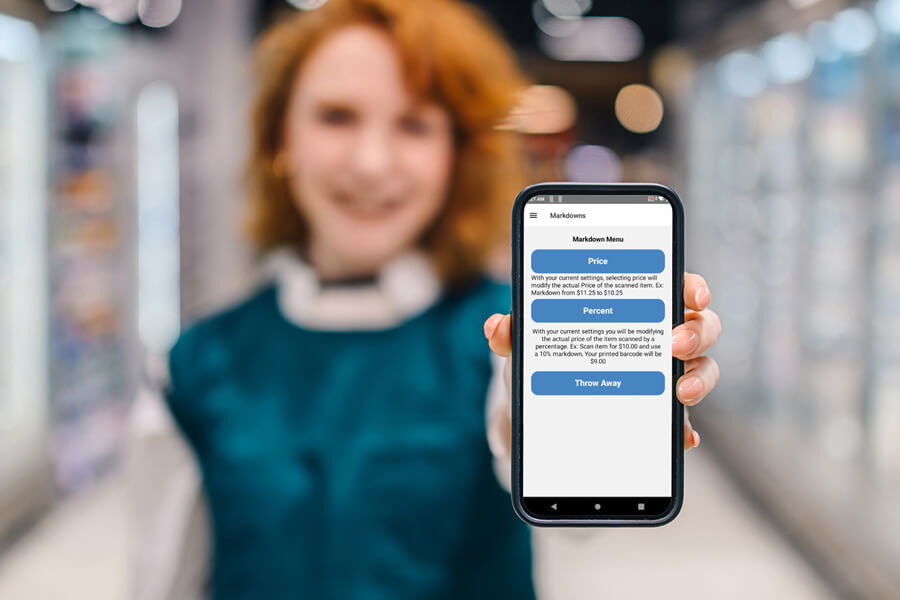
- Mobile printing for shelf labels, price changes, and promotions
- POS and online ordering functionality available on handheld devices
With these capabilities in place, associates can assist customers, manage fulfillment, and keep operations moving without leaving the aisle, checkout area, or curbside location.
Choosing the Right Grocery Store Technology
Every operation runs differently, which means grocery store technology decisions should be guided by how your store runs today and where you want it to go. From checkout and fulfillment to mobile service and inventory visibility, the right approach connects systems to support both efficiency and the customer experience.
At DCR, we take a practical, consultative approach to grocery store technology. We evaluate existing systems, workflows, and operational goals to help retailers make informed decisions, prioritize the right improvements, and implement solutions that fit their store—not someone else’s model.
If you’re evaluating changes or planning next steps, our team can help you assess your current setup and identify opportunities to strengthen performance across the store.