
Frictionless checkout helps grocery stores operate efficiently amid labor shortages by speeding transactions, reducing staffing pressure, and improving consistency across traditional and self-checkout lanes. With the right technology, grocers can keep checkout moving while reallocating staff to higher-value tasks.
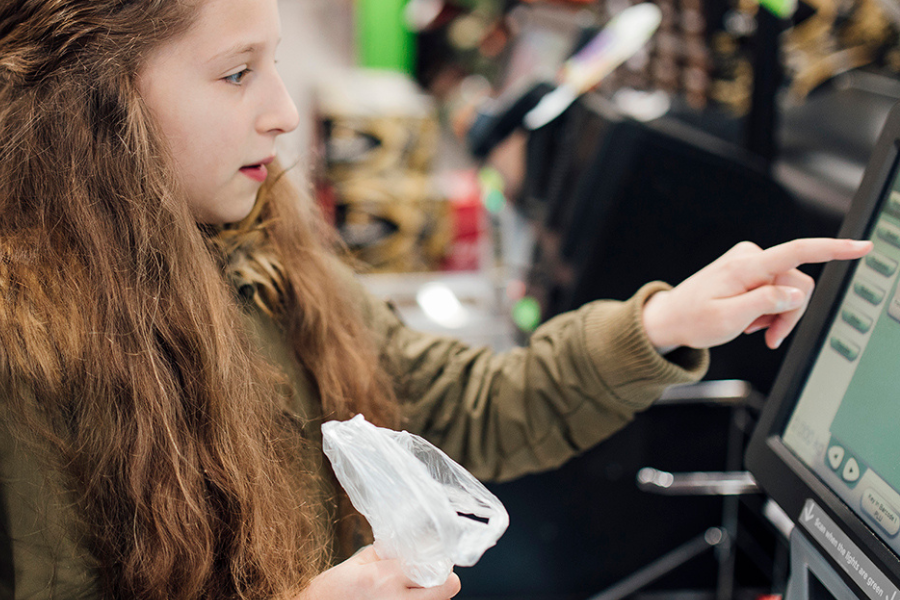
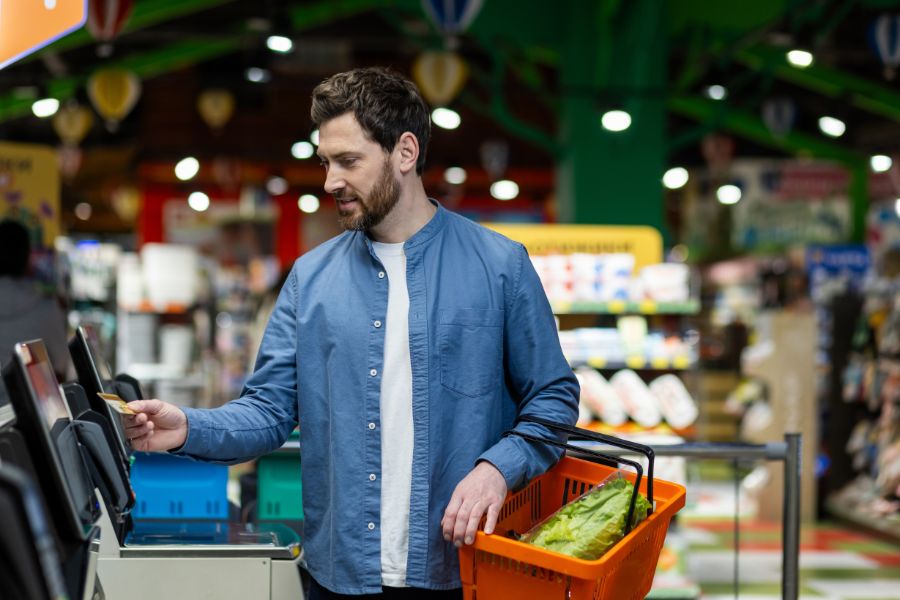
Frictionless checkout gives grocery stores a practical way to operate with fewer staff while keeping lines moving and customers satisfied. As labor shortages persist, grocers need checkout options that reduce dependency on full staffing without sacrificing service.
With unemployment near historic lows, grocery wages up 3.8%, and food retail turnover hovering around 48%, many stores struggle to staff traditional checkout lanes consistently and cost-effectively. This staffing pressure intensifies during peak traffic periods, online order fulfillment, and curbside pickup windows.
Low-friction checkout helps stores:
Scanner scale technology plays a key role in creating checkout lane efficiency by accelerating barcode capture and reducing manual scanning effort. Faster scans mean shorter lines, fewer delays, and less staff time spent managing checkout bottlenecks.
One widely used option in grocery environments is the Zebra Technologies MP7000 Grocery Scanner Scale, supporting swipe-and-go performance in both traditional and self-checkout lanes.
The MP7000 scanner scale helps speed up checkout by:
Barcodes for products, coupons, and loyalty cards are captured immediately and reliably, resulting in faster transactions and a smoother checkout flow.
By reducing seconds or even minutes per transaction, scanner scale technology delivers meaningful labor savings over the course of a day. Many grocery stores can:
The result is higher throughput at checkout without increasing labor demands.
Frictionless checkout depends on more than fast scanner hardware. Point of sale software plays a critical role in lowering transaction time, reducing labor effort, and improving overall store efficiency.
When helping grocers create faster, more efficient checkout experiences, LOC Software and the LOC’s ThriVersA Store are often key improvements we recommend alongside scanner scale upgrades.
LOC software works seamlessly with the Zebra MP7000 to:
Intuitive audio and visual cues, touch-friendly workflows, and integrated payment acceptance help simplify scanning and payment for both cashiers and customers.
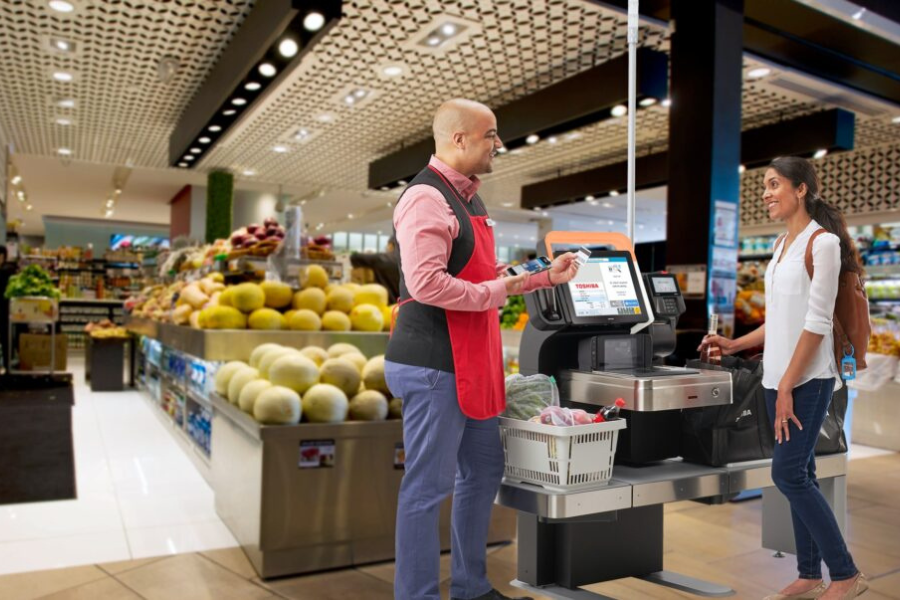
A unified POS system across traditional checkout lanes and self-checkout kiosks speeds up scanning, item identification, and payment at every transaction. Over time, these savings allow stores to:
As grocery leaders expect e-commerce to account for a growing share of total sales, this flexibility becomes increasingly important.
Whether stores already offer curbside pickup and delivery, or plan to in the future, low-friction checkout helps free up the labor needed to support rising demand. As labor pools tighten and competition for workers increases, efficient POS technology enables grocers to do more with fewer staff while maintaining personalized service.
At DCR, we help grocers implement frictionless checkout strategies that increase lane throughput and reduce staffing pressure. With more than 64 years of grocery POS experience, our team works with stores to deploy checkout technology across traditional lanes, self-checkout, and e-commerce fulfillment workflows.
Using a unified POS software and hardware ecosystem, grocers can expand self-checkout, improve consistency at the lane, and reallocate staff to higher-value customer service and operational tasks. With more than 64 years of experience supporting grocery retailers, our team helps stores apply proven checkout solutions that align with today’s labor realities and evolving customer expectations across store operations.